.png)
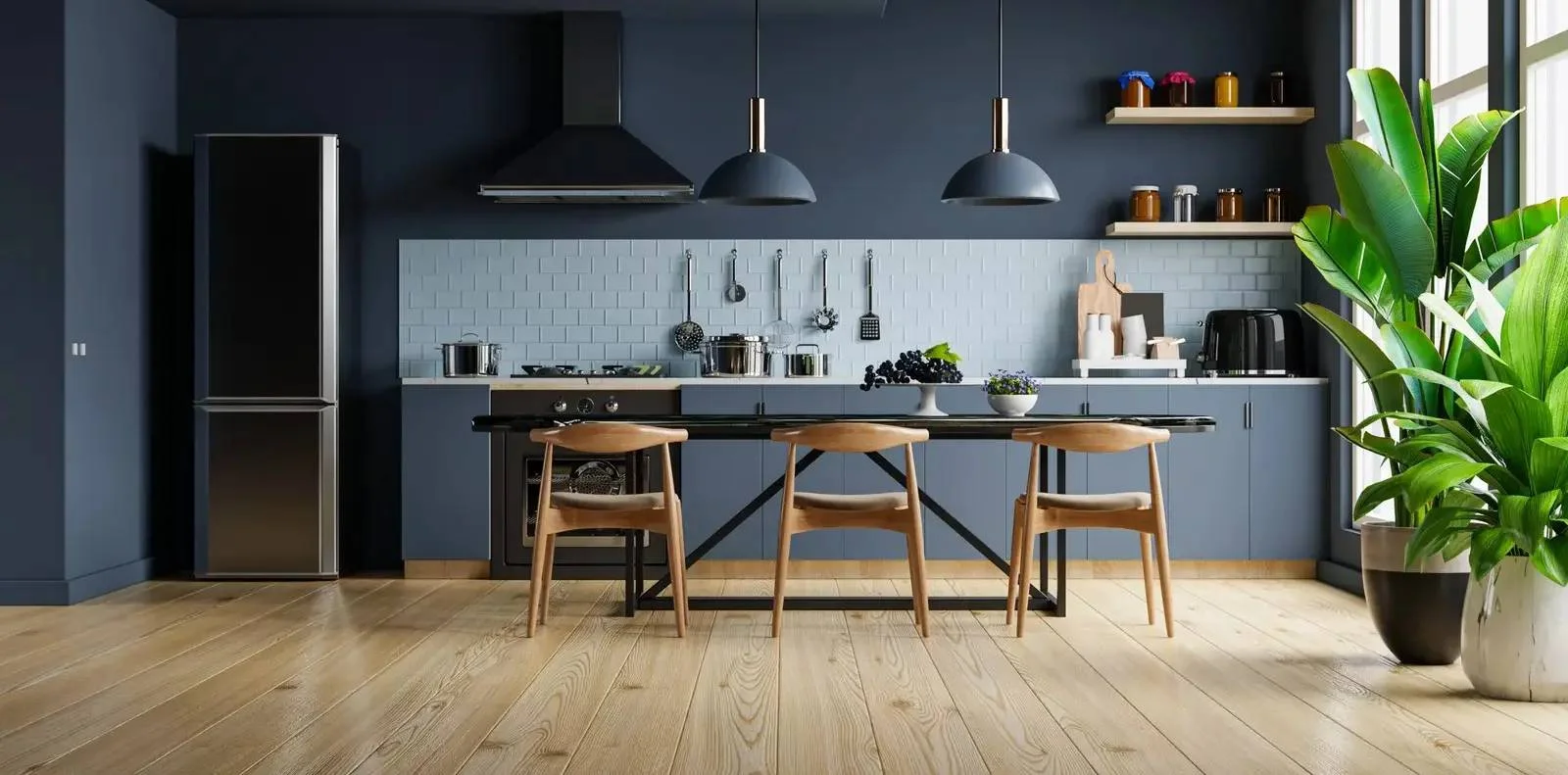
When it comes to designing a modern and efficient kitchen, the choice of materials plays a pivotal role. Modular kitchens, known for their versatility and functionality, rely heavily on the selection of materials to achieve the desired aesthetic and practicality. In this blog, we'll delve into the essential materials used in modular kitchens and their impact on the overall design.
Cabinets are the workhorses of any kitchen, and in modular kitchens, they are typically crafted from a variety of materials. The common choices include:
Countertops are not only a visual focal point in a kitchen but also a functional workspace. The choice of countertop material can greatly influence the kitchen's look and functionality:
The backsplash not only protects the walls from spills and splatters but also adds a decorative touch. Common materials for backsplashes include:
Kitchen flooring needs to be sturdy, easy to clean, and resistant to moisture. Common kitchen flooring materials include:
The hardware in a modular kitchen, such as handles, knobs, and hinges, may seem minor but can significantly impact the overall look and functionality. Materials like stainless steel, brass, or nickel are often chosen for their durability and aesthetic appeal.
Selecting the right materials for your modular kitchen depends on your budget, style preferences, and practical needs. It's essential to strike a balance between aesthetics and functionality while considering factors like durability, maintenance, and sustainability.
In conclusion, the materials used in modular kitchens are the building blocks of a well-designed and efficient space. By understanding the options available and their characteristics, you can make informed choices to create a kitchen that not only looks beautiful but also stands the test of time. Whether you opt for the timeless elegance of granite or the modern versatility of laminate, the right materials can transform your kitchen into the heart of your home.